How does a helicopter work?

A helicopter is a rotary-wing aircraft capable of moving in all directions: forward, backward, left, right, and diagonally.  

Unlike an airplane, which uses wings to generate lift and engines for propulsion, a helicopter uses a rotating main rotor to create both lift and propulsion: it can thus fly in place, or vertically.

Thanks to its high maneuverability, the helicopter goes where other aircraft cannot. It has thus become indispensable for a variety of tasks, including search and rescue, oil and gas exploration, military operations, passenger and cargo transport in confined areas, and much more.

These aircraft intrigue and amaze, yet their inner workings are little known to the public. 

Let’s explore together the basic principles of how a helicopter works. 

What are the components of a helicopter?

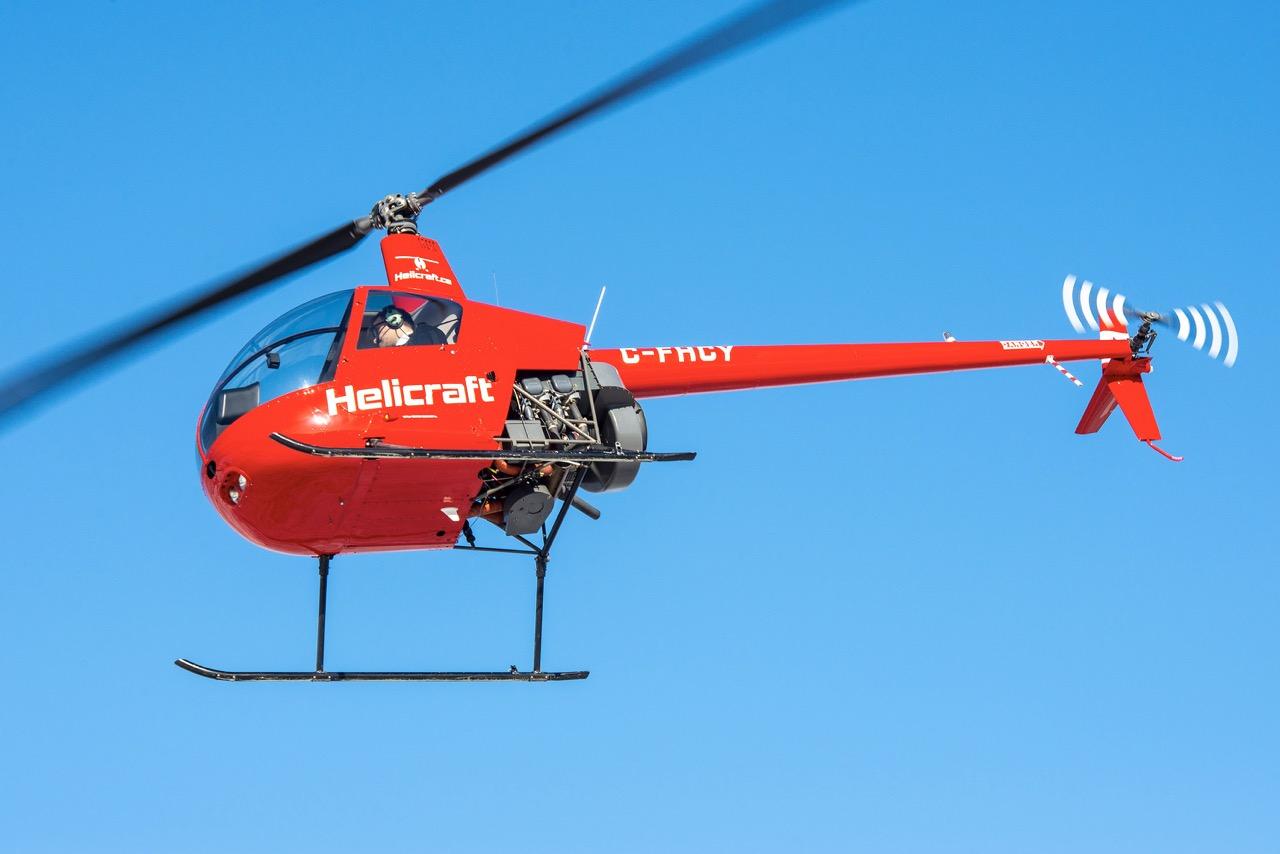
A main rotor:

The main rotor is a complex mechanical system, consisting of several blades, which are attached to a central hub and rotate around a vertical axis. The rotation of the blades and the angle they form createslift lift, which allowsenabling the helicopter to rise into the air.  

A counter-torque rotor:

Also known as the tail rotor, its purpose is to counteract the torque generated by the engine, thereby controlling the helicopter along the yaw axis. 

While a tail rotor is required on a helicopter, it can take several forms: it can be replaced by a second main rotor on certain helicopter models. 


One or more engines:

A helicopter engine is an internal combustion (gasoline): usually a piston engine or a turbojet engine. The engine is located at theatrear of thethe cabin; it is connected to the main rotor and to the tail rotor via a drive shaft.  Piston engines in helicopters work in the same way as car engines, with the exception that they use gasoline aviation, known as 100LL or AVGAS. 

Turbine engines have a more complex design, enabling them to achieve a significantly better power-to-weight ratio than a piston engine. However, these engines are more expensive and consume more fuel: the famous “kerosene” or “Jet-A.” 


Discoverz a video showing how a turbine works:   

Some helicopters have two turbo engines, in order to increase their power and reduce the risk ofengine failure in flight.  
These helicopters are called “multi-engine” or “twin-turbine,” and are generally the largest, used for medical evacuation, military operations, or specialized missions. 


The flight deck, the “cockpit”:

The helicopter cabin is where passengers sit: the pilot sits in the front, in the helicopter cockpit, to fly the aircraft, while the passengers take their seats around him in the passenger seats. In the cockpit, you’ll find the flight controls, but as well as several instruments or pieces of equipment that allowhave the pilot to controlparameters of the helicopter in flight. 

To control the helicopter's movement, the pilot uses a series of controls which we will discuss in more detail later.

Flight instruments:

These instruments are essential for pilots because they provide about altitude, speed, and the aircraft’s position in space, including. 
Here are some of the most common flight instruments: 

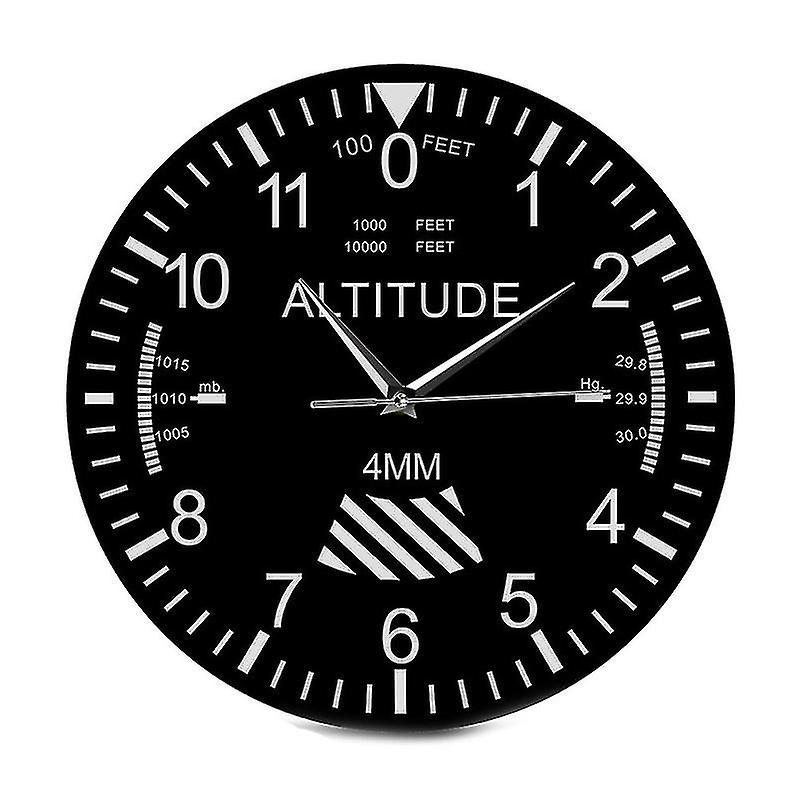
It measures the aircraft's altitude relative to sea level or a barometric reference.

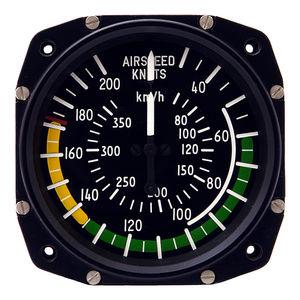
It measures the aircraft's speed relative to the surrounding air.
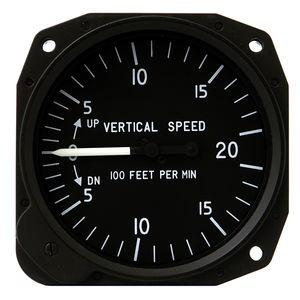
He measures the aircraft's vertical speed, that is, the rate at which it is gaining or losing altitude.
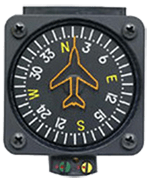
He provides information about the device's orientation, indicating the direction it is pointing relative to the north.
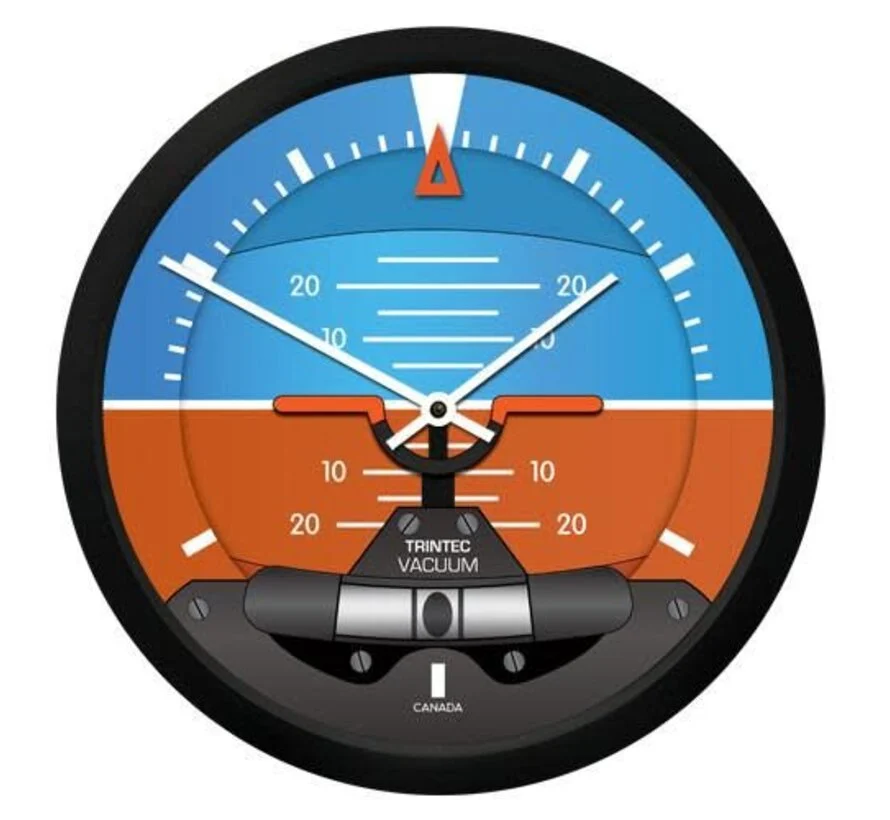
He displays the aircraft's attitude, indicating whether it is turning, climbing, or descending.
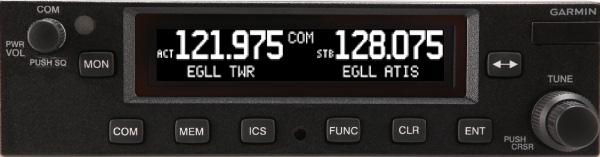
They enable the pilot to communicate with other aircraft and air traffic controllers.
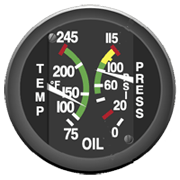
Just like in your car, cThese instruments provide valuable information on power, thees temperatures and pressures of the engine, allowing the pilot to detect any possible potential problem and and so on take steps to address the issue.
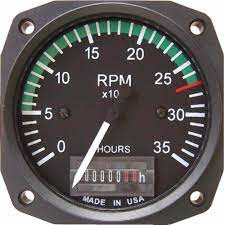
It measures the engine's rotational speed and the rotor.
What flight controls are needed to fly a helicopter?

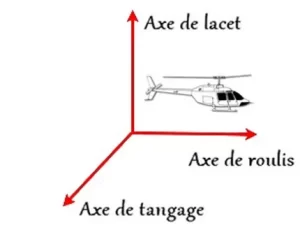
The‘helicopter moves through the space around threethree axes:  

  • the longitudinal axis (roll) 
  • the lateral axis (pitch) 
  • the (lacet) 


Here is an explanation of the main commands : 

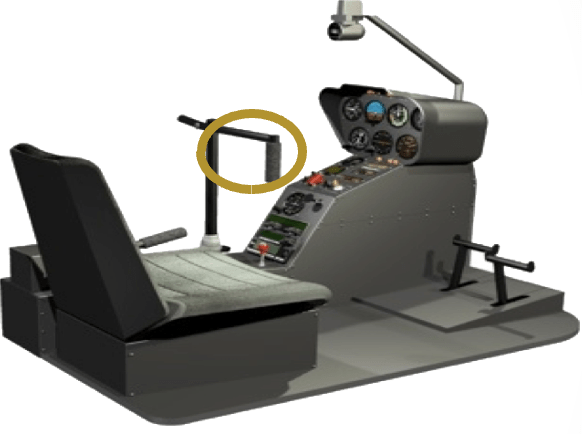
It is used to control the helicopter's movement in the horizontal plane. The pilot moves the control stick in the desired direction to tilt the helicopter and control its forward, backward, or sideways to the left and right.

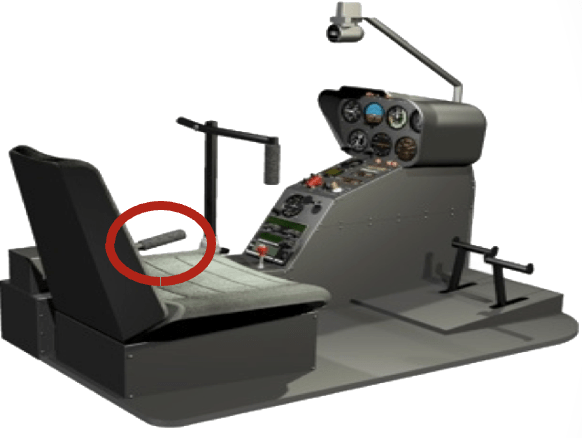
It is a vertical control used to control the helicopter's power and altitude. The pilot moves the control column toward the up to increase power and to bring up the helicopter, and down to reduce power and do land the helicopter.
They are used to control the helicopter's movement around its vertical axis. They drive the tail rotor, or “anti-torque rotor.” By pressing the left pedal, the nose of the aircraft will point to the left, and the same principle for the pedal of right.
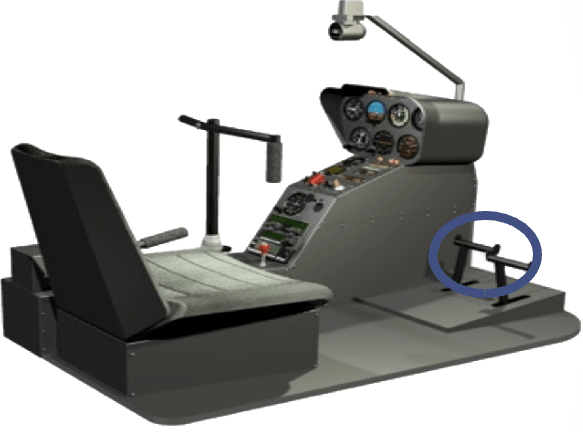

The helicopter's controls are often used simultaneously to allow the pilot to maneuver the helicopter in all directions. 

Conclusion

Flying a helicopter is a skill that requires rigorous, long-term and in-depth training. Understanding how the helicopter works will enable the pilot to fly it with precision, and react quickly, in any situation. 

Several factors have a significant influence on helicopter piloting, such as weather conditions, the weight of the cargo on board the aircraft, and the environment. 

TPilots must be aware of all these factors and be prepared to adjust their flight accordingly to ensure the safety of the aircraft and its occupants. 

Would you like to learn how to fly a helicopter yourself?

Need detailed information?

Contact us using this form and receive everything by email!

  • Please provide your phone number in international format: e.g., +33 6 12 34 56 78 for Europe or +1 888 888-8888 for North America.

Image by Roche Sébastien

Roche Sebastian

FLIGHT INSTRUCTOR - MARKETING MANAGER

Share!

Subscribe to our newsletter

And stay up to date with our latest news and promotions!