
The beauty of being a helicopter pilot lies in the variety of missions it offers.
Whether transporting passengers, fighting forest fires, evacuating an injured person, or lifting equipment with a sling, the helicopter is a machine capable of performing a wide range of tasks, some more complex than others.
As your skills develop over the course of your career, you’ll discover all the facets of the profession and the various joys of flying a helicopter. By becoming a pilot, you’ll have the luxury of shaping your career according to your desires and opportunities.
In this article, we’ll outline the various career paths available to you based on your skills. Please note that our information is based on current job postings and feedback from pilots in our network.
Passenger Transport
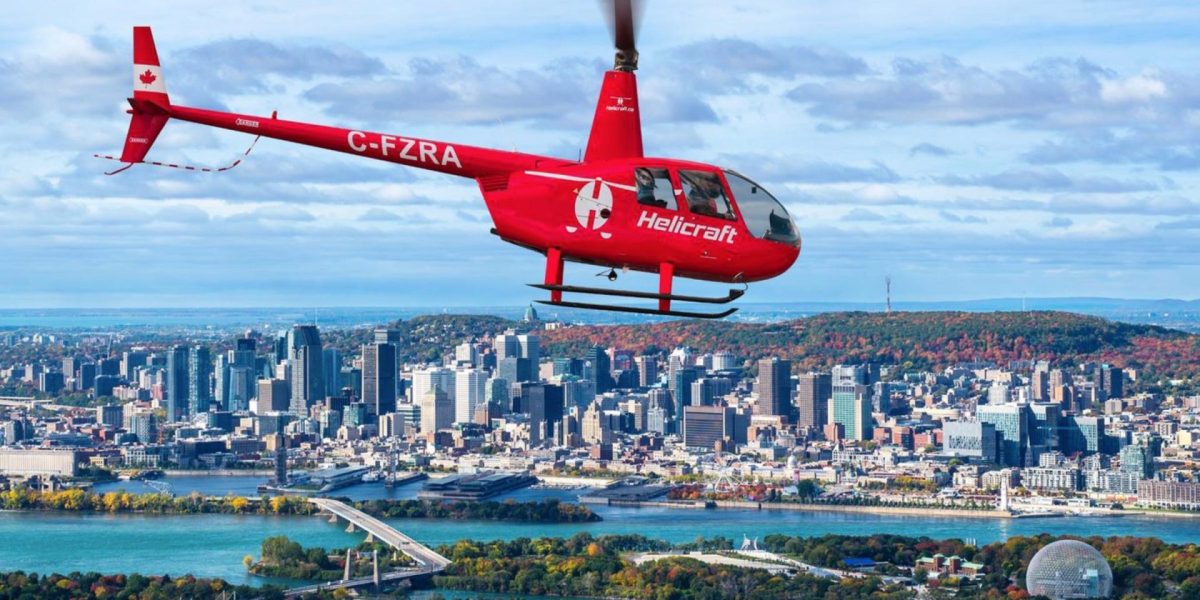
Passenger transport is the foundation of a pilot’s profession and simply involves taking people from point A to point B. The exception is sightseeing flights, where the pilot simply circles around the heliport from which they departed.
Most of these flights are easy and will be available to you as soon as you obtain your license.
You may be hired by a company that operates sightseeing flights, as these companies often fly the R44. In Canada, there is at least one such company in every major city and at every tourist destination.
These are often your first opportunities to break into the aviation industry and log your initial flight hours. It’s a stable job with year-round work and a schedule that will allow you to be home (almost) every night.
Passenger transport can also become your career goal, as you progress toward VIP transfers (see below).
Bush pilot
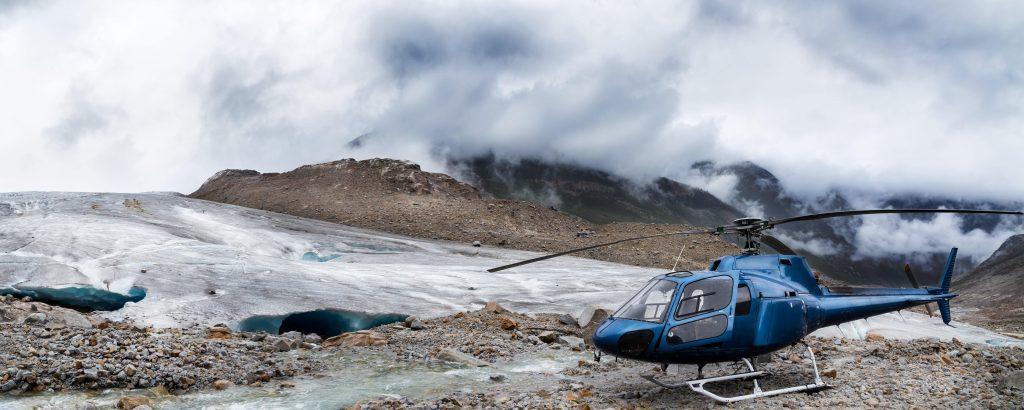
The term “bush pilot” encompasses all the missions carried out by helicopter pilots in northern Quebec. Flying above and below power lines with technicians, transporting geologists to specific locations so they can study soil quality, delivering food, supplies, or people to remote areas: the variety of missions for bush pilots is almost endless.
Most Canadian companies offer bush pilot positions. You can apply as soon as you graduate.
You’ll start by spending about a year on the ground before being assigned to flight duty.
During this first year, you’ll assist experienced pilots and discover the full complexity of the job through the variety of these assignments. You’ll help pilots with all their support tasks: aircraft and equipment maintenance, facility management, and cargo handling. You’ll prove yourself, work hard, and learn.
A bush pilot with limited flight hours is called a “goffer.” Positions are hard to come by; the most resourceful pilots will earn the trust of their superiors and be promoted, and will be trained on the AS-350 ASTAR helicopter to carry out their missions.
The job of a bush pilot will take you to every corner of Canada without ever falling into a routine.
You’ll fly through the most beautiful regions, in all kinds of weather.
The variety of missions will allow you to gain rare and valuable flying experience by pushing the aircraft to its limits.
It is, however, a demanding job. You’ll work in remote areas. You will fly up to 10 hours a day, for periods of up to 40 consecutive days, followed by 15 days of rest, and so on. This will require a high degree of independence and a strong sense of responsibility.
Aerial work using a sling / Precision piloting

Sling operations involve moving loads using a cable suspended beneath the helicopter, known as a “sling.” In Canada, helicopter pilots use slings to transport equipment to remote areas in northern Quebec.
While all riggers have a basic understanding of sling work, those who specialize in it are called “precision riggers” or “drill riggers.” They are capable of moving a post with centimeter-level precision and securing it directly with four screws!
Sling operations are highly specialized: they require a cool head and excellent control of the aircraft.
Only pilots who demonstrate a certain level of skill and have a minimum amount of experience are capable of performing this type of mission.
However, since Canada is a vast country, sling operations are very common, and most helicopter companies perform them.
To qualify for this type of mission, you will need to accumulate flight hours and acquire basic skills on the AS350 helicopter before undergoing specialized training in sling operations.
Sling flying is the ultimate skill when it comes to precision piloting.
By nature, some pilots will be more comfortable with it than others; however, it takes hundreds of hours of practice to improve and become a precision pilot.
These pilots are rare; they are generally very well paid and enjoy attractive working conditions.
Just like bush pilots, sling pilots work in remote areas on a schedule of 3 weeks on, 2 weeks off, on average.
Firefighting (SOPFEU)
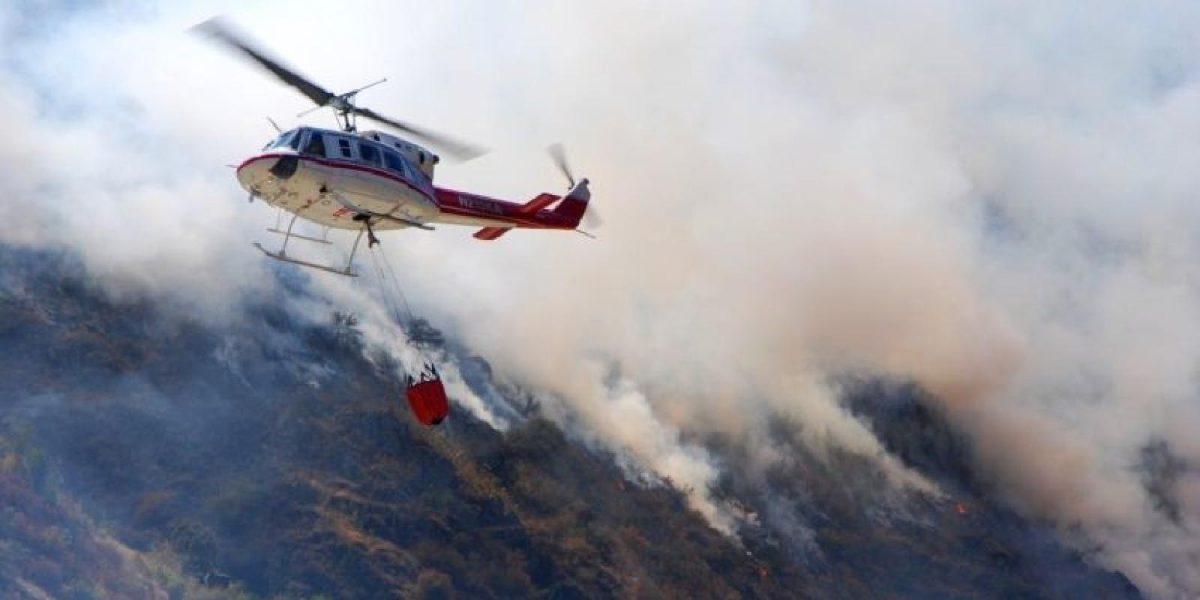
Because Canada is largely made up of forests and lakes, helicopter firefighting is very common. In fact, these missions are among the first assigned to a pilot early in their career. In Quebec, these operations are known as “SOPFEU.”
The helicopter’s role is primarily logistical: it is used for surveillance or to transport equipment and firefighters as close as possible to the fires.
The challenge for the pilot is to find a suitable landing spot while taking into account the flames, the Canadair aircraft, and other aircraft in the area. When the intensity of the fire subsides and the planes have extinguished most of the flames, helicopter pilots come to douse the remaining embers using a water “tank” attached beneath the helicopter, known as a “Bambi Bucket .”Once the work on site is finished, the helicopters depart with the crews dropped off on site, as well asall the equipment.
Most companies that conduct bush or sling operations also provide firefighting services.
You will be eligible for SOPFEU missions once you have logged 500 flight hours and completed the specialized training designed to equip you with all the technical knowledge required for these types of flights.
What qualities should you highlight? A love of adventure, mobility, flexibility, independence, strong practical skills, and the ability to work hard.
During your assignments, you will be traveling to various locations in northern Quebec, depending on where active wildfires are burning. You will be flying frequently, over a wide variety of landscapes. You will be flying alone or with firefighters on board, and you will need to be responsive and adapt to the orders of the operations commander, which will provide you with a wealth of experience.
Flight instructor
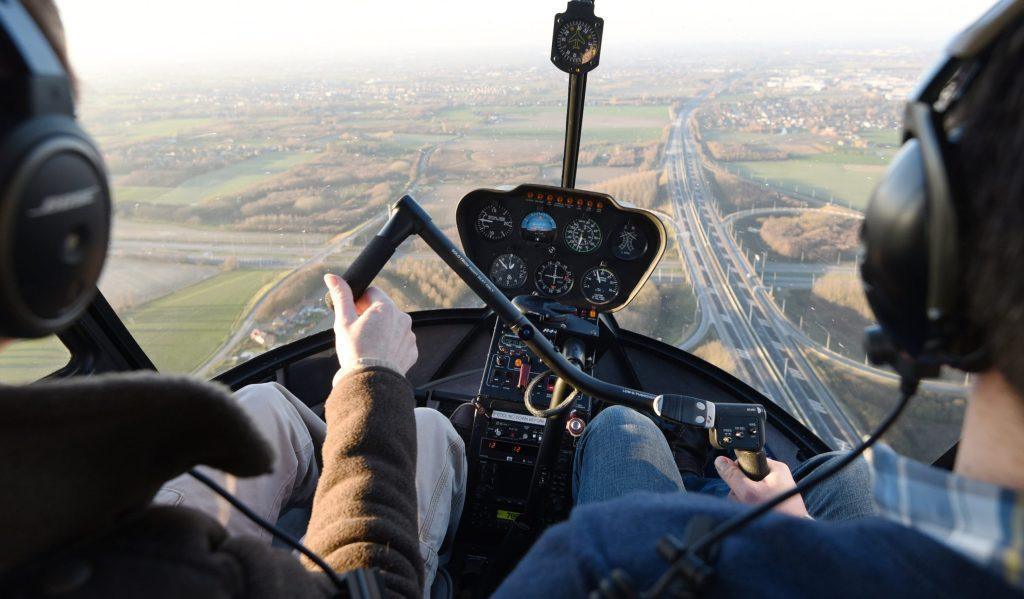
The flight instructor trains students in helicopter piloting to help them obtain a private or commercial pilot’s license. From the first introductory flight through to preparation for the flight exam, the instructor teaches piloting techniques with the goal of equipping students with the skills they need to fly safely in all conditions.
To become a flight instructor, you must have 250 hours of experience as a pilot in command—that is, flying solo as the pilot in charge of the aircraft. Upon completing your training,you will have only 35 hours of experience as a pilot in command;therefore, it is not possible to begin your career as an instructor immediatelyafter your training. You will therefore need to gain some initial professional experience before obtaining your flight instructor certification. Expect 3 months of training and a budget of approximately $15,000 CAD.
It is possible to spend your entire career as an instructor,although it is generally used as a stepping stone early in one’s career to accumulate flight hours quickly.
An instructor atHélicraft flies 400 to 600 hours per year!
Being a flight instructor is a profession that offers a certain standard of living as well as some drawbacks. In addition to being highly educational for less experienced pilots, it’s a short-term opportunity to rack up flight hours quickly. On top of all that, it’s a qualification that airlines are looking for.
As a flight instructor, you’ll also have the benefit of fairly set work hours, Monday through Friday from 8 a.m. to 5 p.m.
VIP Pilot (Business Aviation)
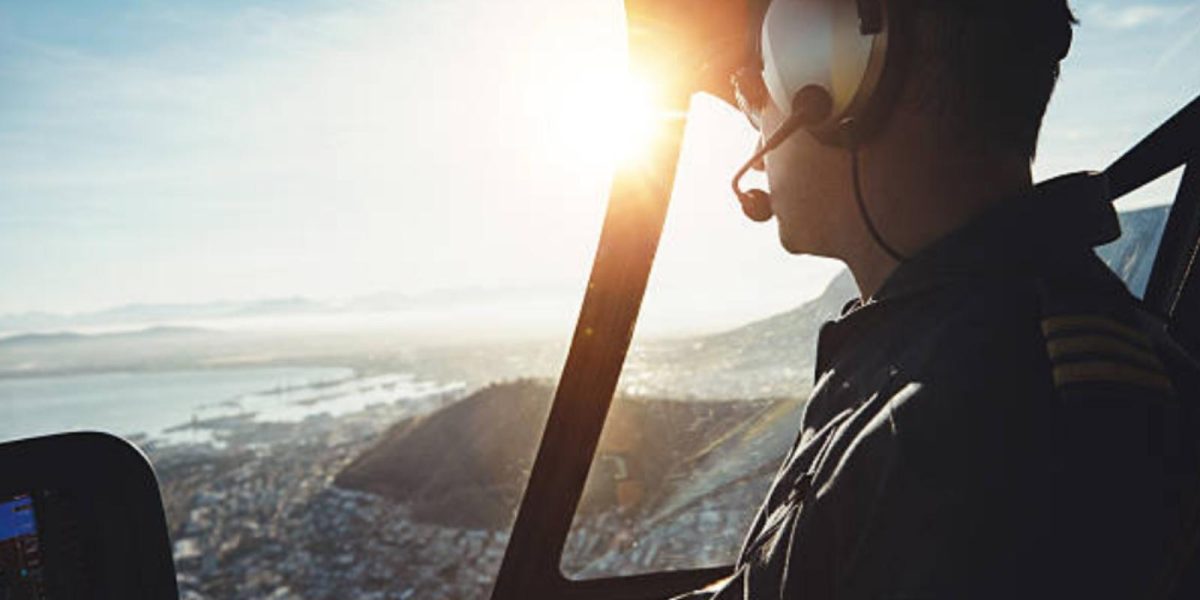
Being a business aviation pilot involves flying clients wherever they wish to go. These flights are similar to passenger transport, but the difference lies in the level of luxury. Being a VIP pilot requires much more experience; the helicopters used for this purpose are larger and require more specialized piloting skills.
To pursue this type of career, you will need flying experience as well as qualifications such as IFR (instrument flight) and ATPL-H.
These certifications will enable you to fly in all weather conditions and meet your clients’ every need.
What qualities should you highlight? Have impeccable presentation and attitude, be bilingual (at a minimum), and have extensive flight experience.
When you become a business aviation pilot, you fly the finest aircraft to the most beautiful destinations around the world. The working conditions and compensation are excellent. The flights are technically straightforward, as they are generally point-to-point journeys. The client is king, which means there is no room for error or the unexpected. Work schedules are tailored to the client’s needs.
,New York,the French Riviera,and Los Angelesare all popular and magnificent destinations that offer numerous opportunities in this field.
Spreader operator
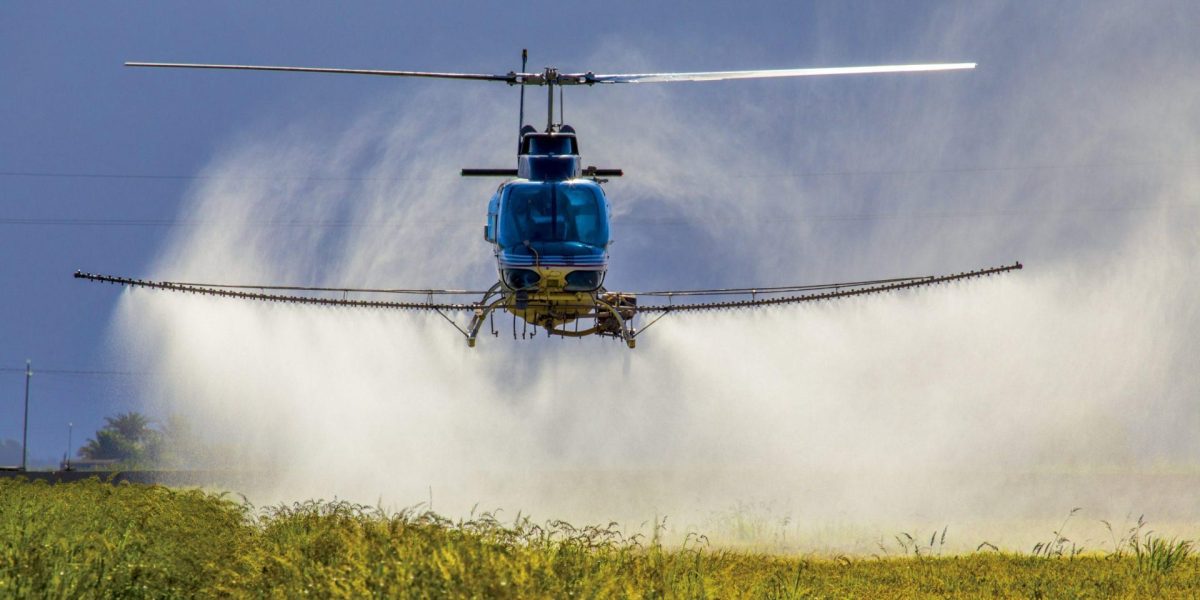
Helicopter spraying allows agricultural products (fertilizers, insecticides) to be applied to crops, covering as much area as possible in the shortest amount of time.
To do this, the helicopter is equipped witha“spraying kit”consisting of product tanks and a side boom with several nozzles through whichthe product is dispensed.
You can start spraying right after graduating from flight school, once you have about 100 flight hours under your belt.
You’ll start out as a ground crew member, assisting pilots with their operations by refueling the aircraft and filling the tanks with chemicals. Once you’re familiar with operations and have gained experience and confidence, you’ll complete your first training sessions and take on your first spraying contracts.
During spraying flights, you fly fast and close to the ground, which is why you may be required to have a certain minimum number of hours before you can start.
What qualities should you highlight? Demonstrate the ability to work hard over long periods of time, be self-reliant, and be flexible.
In the summer, crop-dusting pilots fly from dawn until dusk. The workload is very heavy, and flight hours add up quickly! It’s an excellent stepping stone for a career, because the nature of the flights means you’ll quickly improve your piloting precision.
Search and rescue / Medical evacuation
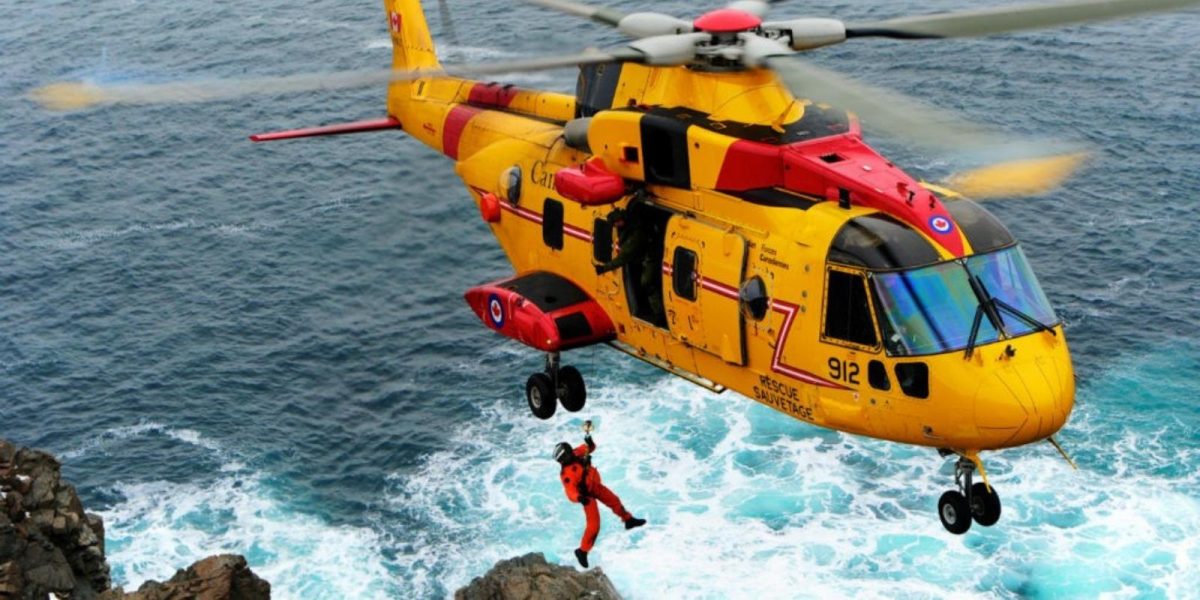
Helicopters are a fast, flexible mode of transportation that enables efficient care for patients with severe injuries. In such cases, helicopters are used as ambulances, and their mission is twofold:
- He responds directly at the scene of the accident to provide assistance. These missions are known as “search and rescue (SAR)”
- He transfers patients between two hospitals. These are "MEDEVAC" missions.
These types of flights take place in the mountains, in the countryside, and over large bodies of water. And in all weather conditions, including during storms.
MEDEVAC helicopters have proven highly effective in managing the COVID-19 pandemic in Europe by transporting patients to different hospitals.
In Quebec, there are few helipads on hospital rooftops, unlike in Europe, where most hospitals are equipped with them, allowing injured patients to be transported directly to the hospital. Large-scale projects aimed at developing helicopter air medical services are currently under discussion in Quebec. The need for pilots to meet this demand will continue to grow in the coming years.
Pilots who perform rescue missions, whatever the nature of the mission, must be able to fly in all conditions, land anywhere, and master the largest and most complex helicopters.
Because emergencies don’t wait, they fly in clear skies, during storms, and in the rain. Helicopters are equipped for this, with numerous flight instruments that allow them to take off even in the most challenging weather conditions.
Extensive experience is essential, and specific qualifications are required to pursue this career.
What qualities should you highlight?
Being thorough, having strong concentration skills, and knowing how to keep a cool head.
Air ambulance pilots give real meaning to their work: they rescue people in distress. They fly the largest aircraft, as part of a two-pilot crew.
There is no routine, since every flight is different. This means there are many new factors to consider: weather conditions, the mission area, and medical requirements.
Adrenaline is ever-present, since the mission must be carried out “quickly and effectively”: efficiently but safely!
Working on call, the air medical pilot is on duty for 2 weeks, then off for 1 week, sometimes during the day, sometimes at night. It’s a unique work schedule, yet one that offers a certain degree of comfort.
Offshore
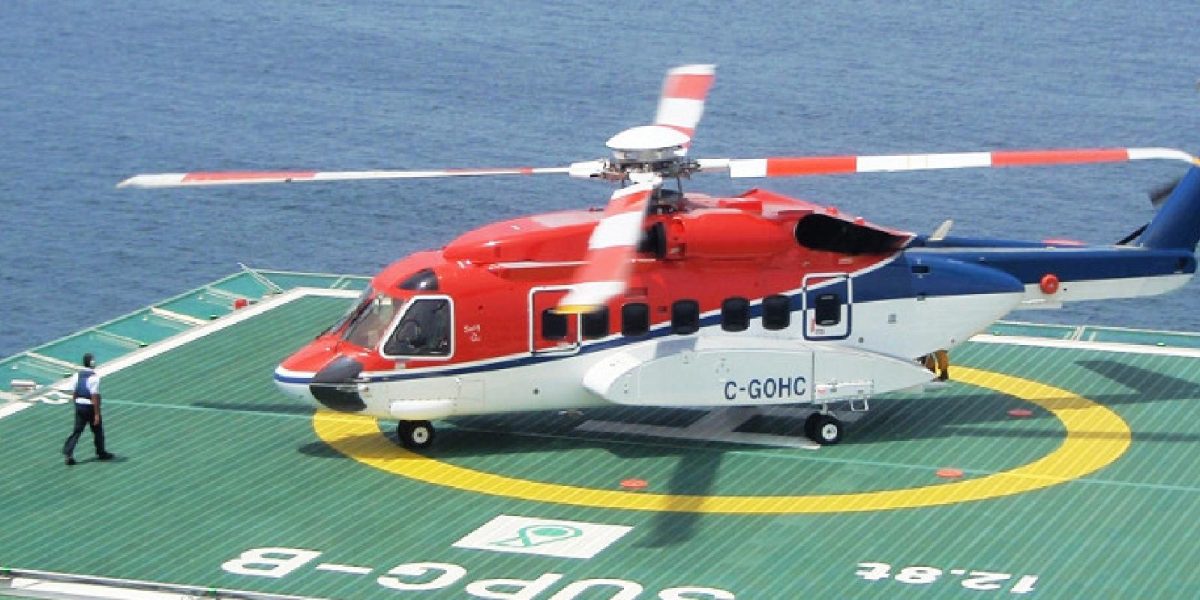
Offshore operations involve transporting people or equipment from the mainland to offshore oil platforms. With oil consumption continuing to rise, the use of helicopters for offshore operations has increased significantly in recent years.
These operations take place all over the world, but the Persian Gulf, the North Sea, and the EastCoast ofthe United States are home to a significant concentration of offshore activity .
The helicopters used here are the heaviest, capable of carrying up to 20 passengers. They are flown by a crew of two pilots. The captain will always be a highly experienced pilot, familiar with all the aircraft’s systems. However, there are job openings for co-pilots available to those with as little as 500 flight hours!
Applicants must obtain their ATPL-H Theory and IFR rating before applying.
What qualities should you highlight? Being attentive, thorough, flexible, and a team player.
Offshore pilots are capable of flying over the oceans in all weather conditions while maintaining a demanding work schedule. That is why these jobs are very well paid. Pilots can be deployed anywhere in the world. Their work schedule typically consists of 30 consecutive days on duty followed by 30 days off, which allows for a comfortable lifestyle.
Are you interested in this career?
Contact us to start your pilot training.
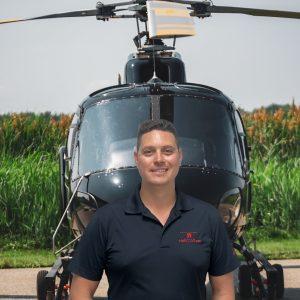
Jimmy Joubert
PRESIDENT AND CHIEF OPERATING OFFICER